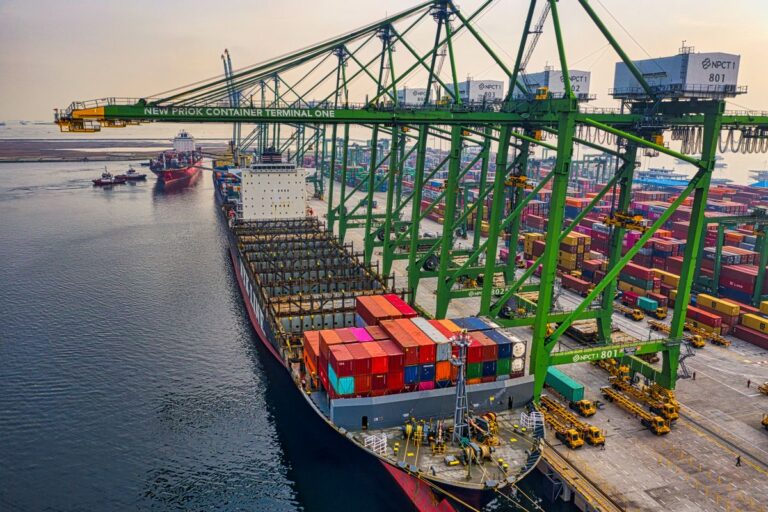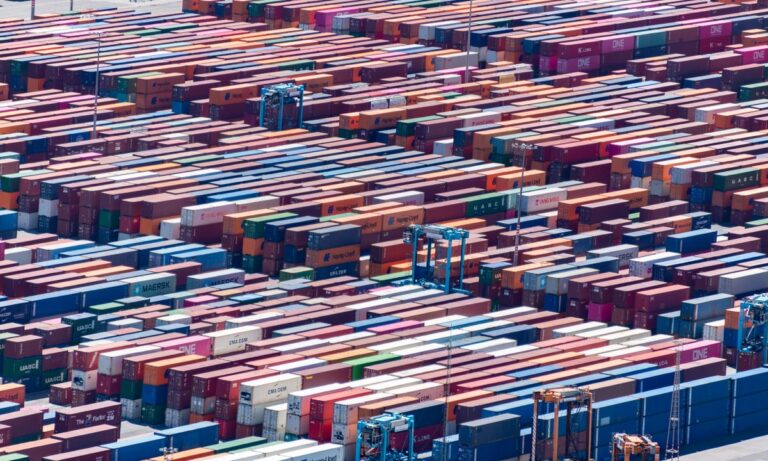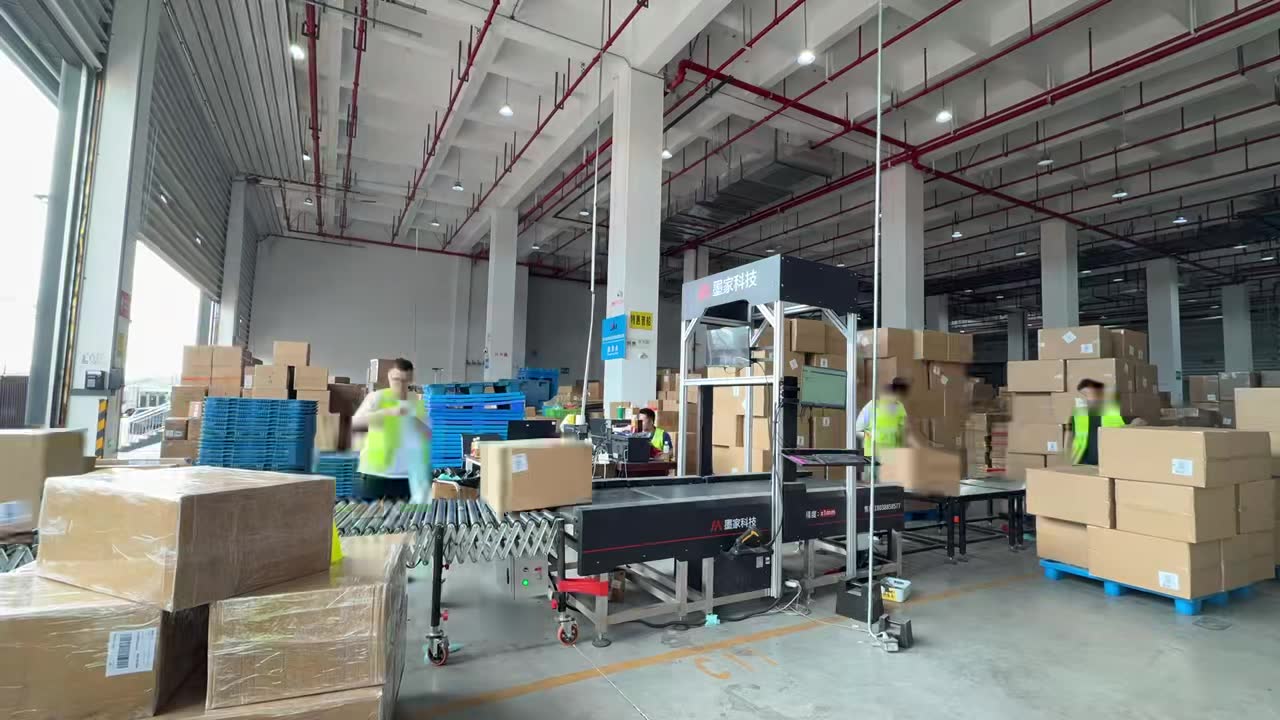
What a DDP quote to Canada covers, why CARM makes DDP the easy way to start, duties and GST/HST on goods from China, transit times, and when DAP with customs handled is the better choice.
Importing from China into Canada is not the same as importing into the USA. Canada has its own tariff, its own surtaxes, its own sales taxes and, since 2024, its own customs portal, CARM. Commercial importers using Release Prior to Payment must meet the CBSA’s financial-security requirements; a broker’s security does not automatically cover them.
For a first-time importer or a small Amazon seller, that is a lot of paperwork before the first carton moves. That is why many choose DDP (Delivered Duty Paid): the seller takes responsibility for import clearance, applicable duties and taxes, and delivery to the named destination. A forwarder may arrange those services for the seller. This guide explains what DDP to Canada covers, what it costs you beyond the freight, how long it takes, and when it is not the best choice.
This guide reflects the rules as of October 2026. Customs and tax rules change; check the current CBSA and CRA guidance or ask your forwarder before you ship.
What a DDP quote to Canada covers
Confirm the named delivery point and the seller’s DDP obligations. Then ask the forwarder to set out the services and charges included in its quote:
- Pickup from your supplier, or delivery to the forwarder's warehouse in China
- Export customs in China
- Ocean or air freight to Canada
- Canadian import clearance, with the importer of record and authorised broker identified
- Duties and GST/HST
- Delivery to your business address, your warehouse or an Amazon fulfilment centre
Before you compare two quotes, check that both include the same steps. A quote that looks cheaper often leaves out duties, the final delivery or residential surcharges.
CARM and the importer-of-record decision
CARM (the CBSA Assessment and Revenue Management system) is how Canada now registers importers and collects duties. To import in your own name you need:
- A Business Number and an import/export (RM) account registered through the relevant CRA and CBSA processes
- A CARM Client Portal registration, with authority delegated to your customs broker
- Financial security (a surety bond or cash deposit) if you want goods released before you pay. Since 20 May 2025, a broker's security no longer covers its clients; each importer posts its own.
DDP describes the agreed delivery and cost responsibilities. However, the shipping label alone does not determine the importer of record. Before booking, confirm whose business number will appear on the customs entry and who must register. A broker or import agent does not automatically remove your obligations. See the CBSA import setup guidance.
Duties and taxes on goods from China
The duty and tax on your shipment depends on three things.
1. The duty rate for your product. Canada classifies goods with a 10-digit tariff code. The applicable duty depends on classification, origin and tariff treatment. Do not use a general product-category range as a landed-cost quote. Give your broker a full product description and ask for the current tariff rate and any trade-remedy charges.
2. Surtaxes and trade remedies on some Chinese goods. Since October 2024, Canada applies a 25% surtax on many steel and aluminium products from China. The 100% surtax on Chinese electric vehicles was replaced in March 2026 by an import quota at the 6.1% MFN rate. Some products also carry anti-dumping or countervailing duties. If your product is made of steel or aluminium, ask about surtaxes before you order.
3. GST and provincial taxes. Taxable commercial imports generally attract 5% GST, the federal part of HST, at importation. Provincial tax or self-assessment rules may also apply, depending on the transaction and use. A delivery address in an HST province does not by itself mean the full HST rate is collected at the border. See CRA guidance on imports.
For comparison, these are general sales-tax rates on supplies in Canada. They are not a table of commercial import border-tax rates:
| Province or territory | Sales tax |
|---|---|
| Alberta, Yukon, Northwest Territories, Nunavut | 5% GST |
| Ontario | 13% HST |
| Nova Scotia | 14% HST |
| New Brunswick, Newfoundland and Labrador, Prince Edward Island | 15% HST |
| British Columbia, Manitoba, Saskatchewan | 5% GST plus provincial sales tax |
| Quebec | 5% GST plus 9.975% QST |
In British Columbia, Manitoba, Saskatchewan and Quebec, the provincial tax follows each province's own rules.
The GST point most DDP guides skip
If your business is registered for GST/HST, this is the one thing to check before choosing DDP.
GST/HST registrants may qualify for input tax credits when goods support their commercial activities and they hold the required documents. The importer, ownership arrangements and invoices matter. Therefore, a DDP label alone does not establish whether you can recover tax. Ask your broker or tax adviser to confirm eligibility and the documents you need before booking.
Choose the arrangement after checking who can legally import, who will keep the customs records and whether tax recovery matters to your business. Shipment size or being a first-time buyer does not decide the answer by itself.
DDP and DAP: compare responsibilities before booking
DDP and DAP allocate responsibilities between seller and buyer. They do not, by themselves, name a customs broker or determine the importer of record. Confirm those details separately.
| Point to agree | DDP | DAP |
|---|---|---|
| Transport to the named destination | Seller arranges and pays | Seller arranges and pays |
| Import clearance and import duties or taxes | Seller’s responsibility | Buyer’s responsibility |
| Delivery | At the named place, ready for unloading | At the named place, ready for unloading |
| Importer registration and broker | Confirm a lawful arrangement and required registrations | Confirm the buyer’s import arrangement and required registrations |
| GST/HST recovery | Depends on eligibility and supporting records | Depends on eligibility and supporting records |
| Quote checks | Confirm included charges, estimates and exceptions | Confirm freight charges and budget separately for import costs |
DDU is legacy wording, not an Incoterms® 2020 rule. If a quote uses DDU, ask the provider to state the current rule, named destination, edition and customs responsibilities in writing. Do not assume it means self-clearance.
Changing from DDP to DAP changes contractual import responsibilities and costs. Review the sale contract, customs arrangements and quote together; it is more than changing the name on an entry. See the ICC explanation of DAP and DDP.
How long DDP shipping to Canada takes
TONCENT gives the following indicative door-to-door sea DDP estimates, from its Chinese warehouse to the delivery address. Confirm the route, starting point and current schedule in your quote:
| Destination | Typical transit |
|---|---|
| Western Canada (for example British Columbia and Alberta) | 18–25 days |
| Eastern Canada (for example Ontario and Quebec) | 26–30 days |
Air DDP is the faster option for urgent or small shipments. Transit times are typical, not guaranteed: customs inspections, port congestion, rail connections to Eastern Canada and Amazon delivery appointments can all add days.
Before you book: a checklist
- Product description and tariff code. Give a clear description, the material and the use. Vague descriptions lead to wrong duty rates and customs holds.
- The real value on the invoice. Under-declaring to save duty is your risk as well as the forwarder's. Customs can reassess, hold the goods or apply penalties.
- Bilingual labels. Most prepackaged consumer products sold in Canada must be labelled in English and French. Textiles, food, cosmetics and some other products have their own rules. Fix the labels in China, not in a Canadian warehouse.
- Wood packaging. Regulated solid-wood pallets and crates generally need ISPM 15 treatment and marking. Packaging made wholly from processed wood such as plywood is exempt from that standard. Confirm the material and Canadian import requirements.
- Batteries, liquids, powders and magnets need checking before booking, especially by air.
- Amazon FBA Canada. Have the FBA shipment ID, carton labels and delivery appointment ready; labels are applied in China before loading.
Six questions to ask any DDP forwarder
- Who is the importer of record, and whose name is on the customs entry?
- Are duties, GST/HST and any surtaxes included in the price, or estimated?
- What happens if customs inspects or reassesses the shipment? Who pays?
- Is final delivery included, and are there extra charges for residential addresses, tail-lift trucks or Amazon appointments?
- Is the price based on measured weight and volume, and will it be recalculated if the cargo comes in smaller?
- Is cargo insurance included or available?
A good forwarder will answer all six in writing, and will tell you when DDP is not the right fit for your goods.
Getting a DDP quote for Canada
TONCENT Logistics is a GFWE verified member that specialises in DDP shipping from China to Canada and the USA.
- Shipping from China since 2012, and a member of the JCtrans, GLA and CLN freight networks
- Own warehouses in Shenzhen, Guangzhou and Yiwu, where cargo from several suppliers is received, checked, weighed and measured. Freight is charged on the measured figures, and the price is recalculated if a shipment comes in lighter than estimated.
- Indicative sea DDP estimates: Western Canada 18–25 days and Eastern Canada 26–30 days, door to door; air DDP listed from 12 kg. Confirm availability and timing with TONCENT.
- DDP or DAP service arrangements, with importer, broker and tax responsibilities agreed in writing. Clarify any legacy DDU wording in a quote before booking.
- Delivery to business addresses, warehouses and Amazon fulfilment centres
- One-business-day quote response target, as stated by TONCENT
To get a quote, share the product, the destination postal code (or Amazon FBA code) and the approximate weight and volume on TONCENT's GFWE member page.
FAQ
Do I need a CARM account to ship DDP to Canada?
It depends on the agreed importer-of-record arrangement. Confirm whose business number will appear on the customs entry. If you are the importer, check your CARM registration and any financial-security obligations with the CBSA or your broker.
Can I claim back the GST paid on a DDP shipment?
Possibly, if you meet the input-tax-credit rules and have the required supporting documents. DDP alone does not decide eligibility. Confirm the tax treatment, importer details and invoicing with your tax adviser.
How long does sea DDP from China to Toronto take?
TONCENT’s indicative estimate is 26–30 days door to door for Eastern Canada, including Ontario, and 18–25 days for Western Canada. These are not guarantees; confirm the route, clock start and current schedule before booking.
Are there extra tariffs on goods from China in 2026?
Some. A 25% surtax applies to many Chinese steel and aluminium products, and some goods carry anti-dumping duties. Most other products pay the standard Canadian duty rate for their tariff code. Ask for the duty to be checked against your exact product.
Can DDP deliver to Amazon FBA in Canada?
Yes. Provide the FBA shipment details and labels when you ask for a quote, so labels are applied in China and the delivery appointment is booked before the goods arrive.
Less searching. Less waiting. More real business.
GFWE — Find the Right Partner. Faster.
Official sources
Written by
Elena
Contributor at GFWE -- Global Freight World E-Alliance