Two suppliers are ready; a third needs another week. Should you hold everything or release the goods Canada needs first? China to Canada consolidated shipping brings orders from different suppliers to one origin warehouse for onward shipment. Its value depends on how you coordinate arrivals, preserve cargo records and choose what leaves together. A larger batch does not automatically mean a lower total cost.
Choose a receiving point before arranging pickups
Create a supplier schedule with factory addresses, ready dates, carton counts and estimated dimensions. Compare collection routes before choosing a warehouse. Moving a small order across China can outweigh the benefit of combining it with cargo near another port.
On its GFWE member page, TONCENT lists its own warehouses in Shenzhen, Guangzhou and Yiwu. The page describes receiving, checking, weighing and measuring goods, with suppliers’ cartons grouped by shipment. Ask which location suits your orders and confirm the service scope in writing.
Give suppliers the warehouse address, receiving contact, booking reference and carton-marking instructions. Confirm who pays for domestic collection and transfers. Name one person on your team who can approve changes and release cargo.
Keep orders traceable through the warehouse
Use a carton reference such as PO104-SUPA-01/10. Agree how the warehouse will compare arrivals with each packing list and report missing cartons or visible damage. Receiving checks should not be treated as a full product-quality inspection.
Maintain a master list linking suppliers, purchase orders, SKUs and carton numbers. If goods are repacked, connect the original numbers to the new packages. Before release, approve final quantities, weight, dimensions and a list of any balance remaining in China.
Keep supplier invoices available. Canadian invoice requirements include seller, buyer, goods, quantities and prices.[1] Consolidated customs release requests still need a clear link between invoices, commodities and shipments.[2] If nine cartons arrived, resolve the missing tenth before approving documents that show ten.

One supplier is late: wait, release or split?
Hypothetical example: a Canadian importer orders from three Chinese suppliers. A and B are ready; C requests another week. First establish whether C’s goods complete a kit or whether A and B can be sold independently.
Ask the forwarder for these facts before deciding:
- Warehouse arrival: C’s revised ready date plus collection time, rather than the factory date alone.
- Departure options: the receiving cutoff, space availability and estimated Canadian delivery for both arrangements.
- Extra charges: storage while waiting versus the repeated handling, freight minimums and delivery charges of a second shipment.
- Fallback: what happens if C misses its revised date?
Check your Canadian stock coverage against those delivery estimates. For example, if A and B replenish independent products approaching a stockout, an earlier departure may justify the extra shipment costs. If C supplies essential components, sending incomplete kits may leave unusable inventory in Canada.
Compare waiting for all three with sending A and B now and C later. Ask for a third option only if C can release a usable partial quantity. Have the forwarder confirm that each option is operationally possible before comparing its cost.
Set a final decision date and record who approves the plan. Tell the warehouse exactly which purchase-order quantities may leave. Avoid extending the deadline automatically whenever a supplier changes its forecast.
Compare complete China to Canada consolidated shipping quotes
Request separate-shipment and combined-shipment quotes for the same goods and Canadian address. Compare delivery dates alongside the totals.
| Cost group | Confirm in each quote |
|---|---|
| China collection | Every factory pickup, waiting and warehouse transfer |
| Warehouse | Receiving, storage, handling, agreed checks, repacking and materials |
| Export and freight | Documentation, freight basis, minimum charges and surcharges |
| Canadian arrival | Deconsolidation, terminal handling, brokerage and final delivery |
| Exceptions | Revised documents, missed cutoffs and any later shipment |
Mark included, excluded and estimated items. Record currency and quote validity. Show insurance and duties/taxes separately where applicable, so unlike quotation scopes do not create an apparent saving.
For LCL ocean freight, cargo is consolidated and deconsolidated at container freight stations; ask about charges at both ends.[3] For air freight, confirm how actual and volumetric weight determine the chargeable weight.[4]
Use dimensions after proposed repacking or palletizing. Ask when storage charging starts and its billing unit; obtain any allowance in writing. Extra collection, storage and handling can absorb freight savings.
Prepare one supplier-by-supplier enquiry sheet
For a China to Canada consolidated shipping enquiry, include:
- Factory address, contact, purchase order and confirmed ready date.
- Product description, material, use, quantity, value and invoice currency.
- Carton count, dimensions, gross weight and stackability.
- Batteries, liquids, fragile goods or special handling needs.
- Canadian delivery postal code, receiving restrictions and required arrival date.
Attach draft invoices and packing lists. Identify which goods must travel together, which are urgent and which dates or measurements remain estimates. Include importer details and your broker’s contact.
FAQ
Can different products travel together?
Often, subject to acceptance. Provide product details before collection so the forwarder can assess compatibility and transport restrictions. Your broker should confirm product-specific Canadian import requirements.
Does supplier consolidation always mean LCL?
No. Orders can feed LCL, a dedicated container or air freight. Select the onward service after reviewing combined volume, weight, compatibility and delivery needs.
Are inspection and repacking included?
Confirm separately. Specify carton counts, external condition checks or product testing as needed, plus reporting and repacking requirements. Obtain written scope and charges before work begins.
Will consolidation always cost less?
No. Supplier locations, waiting time and handling can offset freight savings. Compare complete quotes and whether each arrival plan keeps usable inventory available.
Request a plan for your supplier schedule
Send TONCENT your supplier locations, ready dates, carton counts, weight, dimensions and Canadian delivery postal code. Ask for a receiving plan, written fee breakdown and late-supplier arrangement. Where dates differ, request both a combined departure and a split-shipment option so you can choose against your inventory needs.
References
- CBSA. D1-4-1: CBSA Invoice Requirements. ↩
- CBSA. D17-1-4: Release of Commercial Goods (paragraphs 54–56). ↩
- Flexport. Less than Container Load (LCL). ↩
- IATA. Air Cargo Tariffs and Rules — What You Need to Know. ↩
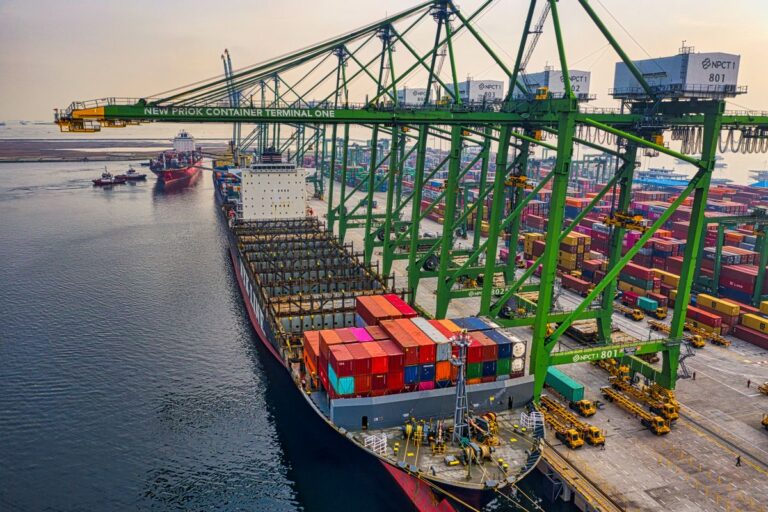
Cover photo: Freek Wolsink / Pexels. All three photos are used under the Pexels License, which permits free commercial use. Stock photographs illustrate logistics activities; they do not depict TONCENT facilities.
Written by
Elena
Contributor at GFWE -- Global Freight World E-Alliance