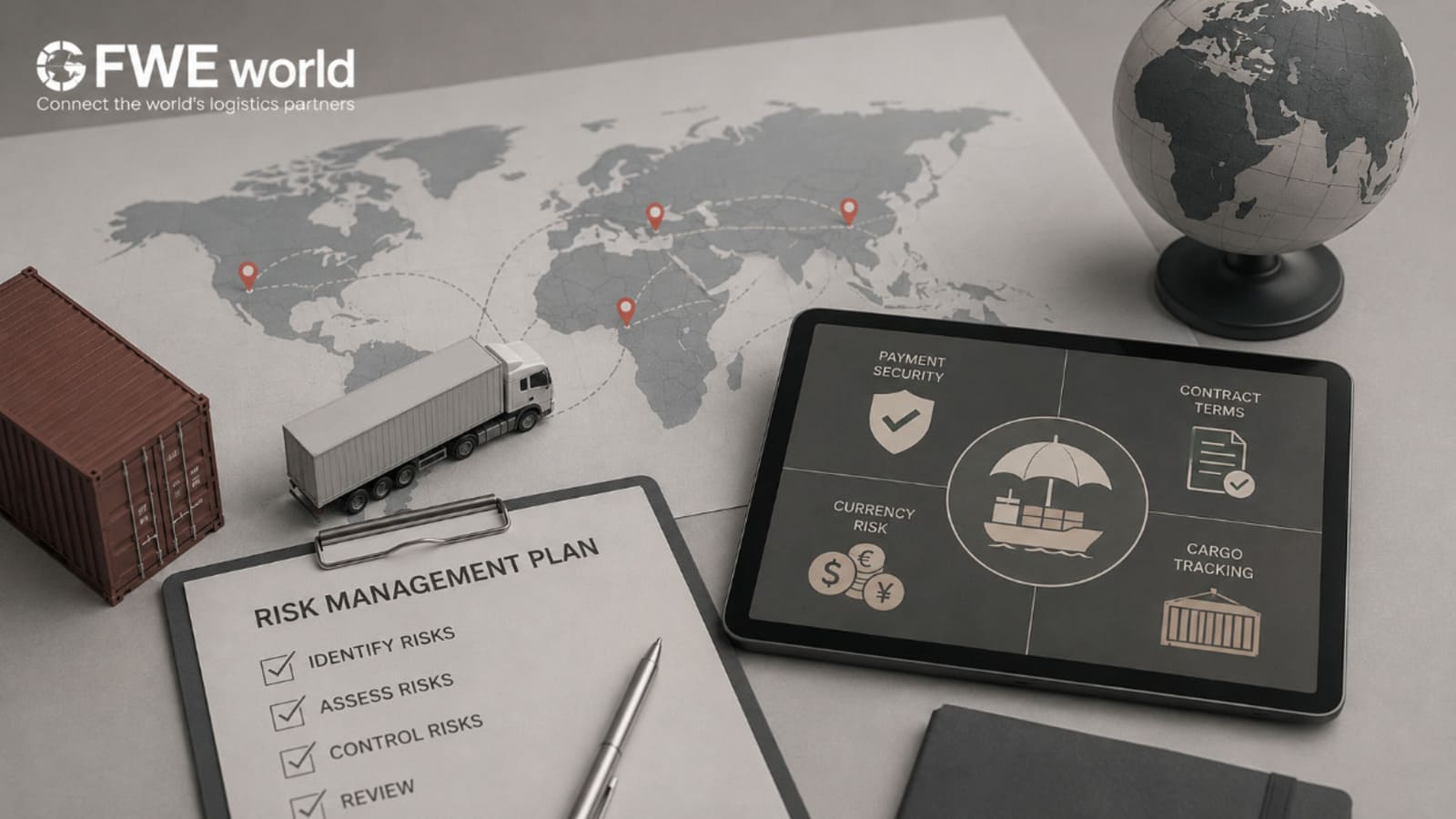
In cross-border freight, the cargo isn't the only thing that can go missing. Your payment can too. Here are the biggest payment risks — and how to protect your cash flow.
Getting paid — and paying safely — is one of the trickiest parts of international freight. Here are the risks every forwarder should know.
1. Non-Payment and Defaults
The most obvious risk: you do the work, and the partner simply doesn't pay. Late payments and defaults are a persistent challenge in international trade, particularly for smaller businesses [^1]. Across borders, chasing that money is difficult and expensive.
How to protect yourself:
- Work only with financially stable, vetted partners
- Agree on clear payment terms upfront
- Be cautious extending credit to unknown parties
2. Slow Payment and Cash-Flow Strain
Even when partners eventually pay, chronic late payment can choke your cash flow and disrupt your operations. Cash-flow problems are among the leading reasons small businesses fail [^2].
How to protect yourself:
- Set clear due dates and late-payment terms
- Track receivables closely
- Prioritize partners with a track record of paying on time
3. Currency and Exchange-Rate Risk
Dealing in multiple currencies exposes you to fluctuations that can erode your margins. Exchange-rate volatility is a significant financial risk for companies engaged in cross-border trade [^3].
How to protect yourself:
- Agree clearly on which currency will be used
- Factor exchange risk into your pricing
- Consider hedging for large or long-term deals
4. Hidden Fees and Disputes
Vague agreements lead to surprise charges and disputes over who owes what.
How to protect yourself:
- Insist on transparent, itemized pricing
- Put all terms in writing
- Clarify responsibility for every cost upfront
5. Fraud
The most dangerous risk: outright scams designed to take your money and vanish. Business email compromise and payment fraud account for billions in reported losses every year [^4].
How to protect yourself:
- Verify every partner thoroughly
- Be wary of deals that seem too good to be true
- Never rush large payments to unverified parties
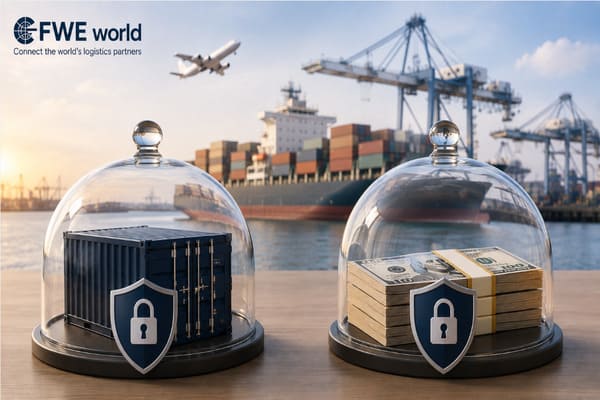
The Common Thread: Partner Trustworthiness
Look closely and nearly every payment risk traces back to a single question: can you trust this partner? Assessing counterparty and third-party financial risk is fundamental to protecting your own business [^5]. Financial stability, honesty, reliability — these determine whether you get paid and pay safely.
This is why verified networks like GFWE are so powerful for financial protection. By pre-vetting members for financial stability and reputation, the network filters out the very partners most likely to default, delay, or defraud. Membership in a vetted professional network provides an added layer of credibility and accountability between trading partners [^6]. You're doing business with parties who've already proven they're solid.
Protect your cargo — but never forget to protect your cash.
👉 Do business with financially vetted partners. Explore GFWE.
References
[^1]: The World Bank — SME Finance: https://www.worldbank.org/en/topic/smefinance [^2]: U.S. Chamber of Commerce — Cash Flow Problems for Small Businesses: https://www.uschamber.com/co/run/finance/cash-flow-problems-for-small-businesses [^3]: International Monetary Fund (IMF) — Exchange Rates: https://www.imf.org/en/Topics/exchange-rates [^4]: FBI Internet Crime Complaint Center (IC3) — Annual Reports: https://www.ic3.gov/AnnualReport/Reports [^5]: McKinsey & Company — Risk & Resilience Insights: https://www.mckinsey.com/capabilities/risk-and-resilience/our-insights [^6]: FIATA — International Federation of Freight Forwarders Associations: https://fiata.org/
Written by
Elena
Contributor at GFWE -- Global Freight World E-Alliance